

YUNUS EMRE
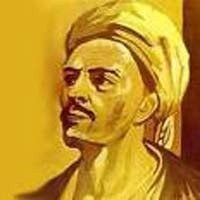
Yunus Emre, who was a great folk poet and a sufist whose poems provided spiritual bases to Turkish people, is full of myths. It is not certain when and where he lived and died. It is reported that he was born in Bolu or Sivrihisar.
It is a popular rumor that Yunus was illiterate. It can be understood from his grammatical mistakes in his poems that he did not receive regular education. However, when you read his books, you cannot consider him as an ignorant person. His letters show that he knew a lot, and he understood very well the values and the styles of belief of his age. There are sections of his poems which cannot be easily understood in terms of language and ideas, which need explanations. However, there are many of them which are quite clear, natural, and thought-provoking.
Yunus kept his place in the memories of Turkish people with his poems, hymns, and myths, revived in their language, lived in their spirit and was shed in their tears. Yunus Emre is a great, deep and sincere folk poet. He tried to explain the unreachable excitement of Allah love to the public with his clear Turkish, and he managed. For him, everything in the nature seeks and talks about Allah.
We see a deep mystic culture in Yunus. He turned Turkish folk language into a literary language with his most beautiful works in Oghuz dialect. In his age, Persian was the literature language, and Arabic was the scientific language. Yunus Emre, gave the best expression of divine thoughts with his simple and plain language use.
The books written about Yunus, the sun of hearts, great troubadour, who said:
Benim burda kararım yok,
Ben burdan gitmeye geldim.
Bezirgâmım metaım çok
Alana satmaya geldim.
Ben gelmedim dava için
Benim işim sevgi için
Dostun evi gönüllerdir
Gönüller yapmaya geldim.
can fill libraries. He embraces the centuries in fact. Centuries talk about him, loving and beloved hearts talk about him. He is the water wheel who moans with suffrage of love:
Benim adım dertli dolap
Suyum akar yalap yalap
Böyle emreylemiş çalap
Derdim vardır inilerim.
Suyum alçaktan çekerim,
Dönüp yükseğe dökerim,
Görün ben neler çekerim
Derdim vardır inilerim.
Yunus Emre's period is a period of introversion, despair, being exhausted for Anatolia. Anatolia Seljukian State, being defeated by Mongol attacks, went totally weak because of frequent rebels of Turkmen clans, and started efforts for living their own life with their own troubles. Scarcities of years destroyed exhausted people's hopes of life. The people, gathered in groups around sheiks who suggested that real happiness was after death, and that people should head towards Allah in this temporary world. Yunus, in this atmosphere, rose as a love sun in Anatolia, gave hope to the hopeless, and became the heart and tongue of Anatolia.
Dağlar ile taşlar ile
Çağırayım Mevlâm seni
Seherlerde kuşlar ile
Çağırayım Mevlâm seni.
Yunus, who always and everywhere called Allah, took part in conversations of great sufist Mevlana Celaleddin in his youth years and said his look of forgiveness was a mirror for his heart:
Mevlâna Hüdavendigâr bize nazar kılalı
Onun görklü nazarı gönlümüz aynasıdır,
Some rumors color Yunus Emre's life. In a day of scarcity, he went to Hacı Bektaş-ı Veli's Convent and wanted wheat. They proposed "himmet (assistance)" instead of wheat. He replied "No, I want wheat". They filled his sacks with wheat. He sobered down on the way turning back to his village. He returned and wanted "holy person's assistance". They said "your destiny is Taptuk Emre" and commended him to Taptuk Emre.
Yunus carried firewood to the Convent of Taptuk Emre for forty years. He did not take even one bowed firewood into Taptuk Convent saying even the bowed of firewood cannot enter Taptuk Convent". At last, he attained his desire, and was allowed.
He said:
Dirildik pınar olduk,
İrkildik ırmak olduk,
Aktık denize daldık,
Taştık Elhamdülillâh.
Taptuğun tapusunda,
Kul olduk kapısında,
Yunus miskin çiğ idik
Piştik Elhamdülillâh.
and started to travel around in many places and telling poems with the embers of the fire in him. From that time on, he had nothing apart from divine love in his heart. He was burning with this love, and his moans made him a troubadour. Now there was no Yunus left but love, songs of love. Yunus blew in love, Yunus fell in love in this harvest of love:
Aşkın aldı benden beni
Bana seni gerek seni
Ben yanarım dün'ü günü
Bana seni gerek seni
Ne varlığa sevinirim
Ne yokluğa yerinirim
Aşkın ile avunurum
Bana seni gerek seni...
Yunus Emre is a sun of sufism who rose and set in Anatolia. In his period when Turkish was being overlooked, Yunus carried Turkish language with all its delicacies and beauties, and pioneered the troubadours after him. Yunus Emre's language is Anatolia's native language. The heart of Anatolian Turks beat with Yunus, this heart cries out in Yunus and depicts:
Gönlüm düştü bu sevdaya
Gel gör beni aşk neyledi
Başımı verdim kavgaya
Gel gör beni aşk neyledi.
Ben ağlarım yana yana
Aşk boyadı beni kana
Ne âkilim ne divâne
Gel gör beni aşk neyledi.
In his never-ending love, you hear the voice of all humanity. There is true belief in this voice, God Love, human value and the happiness of existence. He calls out to the humanity with a pure heart without evil:
Adımız miskindir bizim
Düşmanımız kindir bizim
Biz kimseye kin tutmayız
Kamu âlem birdir bize...
By saying these, he invited people to understanding and solidarity, unity and cooperation. His invitation is to "love" furnace. He called out:
Gelin tanış olalım,
İşi kolay kılalım.
Sevelim sevilelim
Dünya kimseye kalmaz.
Yunus Emre has two known works. One is Risaletü'n-Nushiyye (Booklet of Advice) written in prosody meter, a sufist, moral and religious work. The other is his Divan, which reflects his real power in poetry. Recent investigations revealed that Yunus Emre died in 1321 when he was seventy. It is reported that there was a dervish lodge of him in the region where Porsuk water and Sakarya joined, and that he was buried there.
Although there are places shown as the grave of Yunus Emre in Erzurum in the vicinity of Tuzcu village and in a village in the vicinity of Keçiborlu town in Emre village, between Salihli and Kula districts of Manisa, the truth is that his real grave is the heart of those loving him.
UNESCO, accepted year 1971-1972 as the year of Yunus Emre in all over the world.
Biz dünyadan gider olduk
Kalanlara selâm olsun.
Bizim için hayır dua
Kılanlara selâm olsun
Ecel büke belimizi
Söyletmeye dilimizi
Hasta iken hâlimizi
Soranlara selâm olsun
Tenim ortaya açıla
Yakasız gömlek biçile
Bizi bir âsân vechile
Yuyanlara selâm olsun
Selâ verile kasdımıza
Gider olduk dostumuza
Namaz için üstümüze
Duranlara selâm olsun.
Derviş Yunus söyler sözü
Yaş dolmuştur iki gözü
Bilmeyen ne bilsin bizi
Bilenlere selâm olsun.
Kronoloji / kayıt
Kayıt
2025-08-15 02:42:45